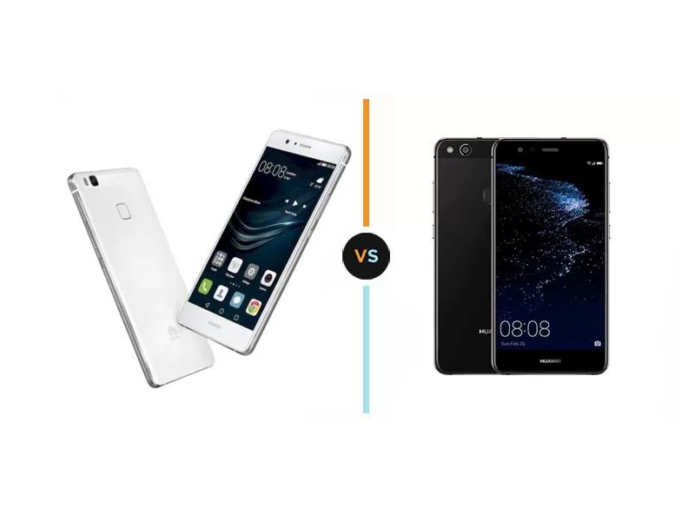

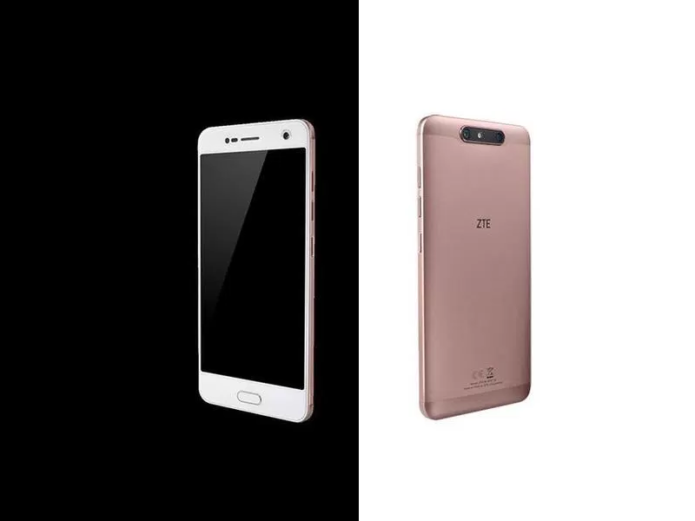
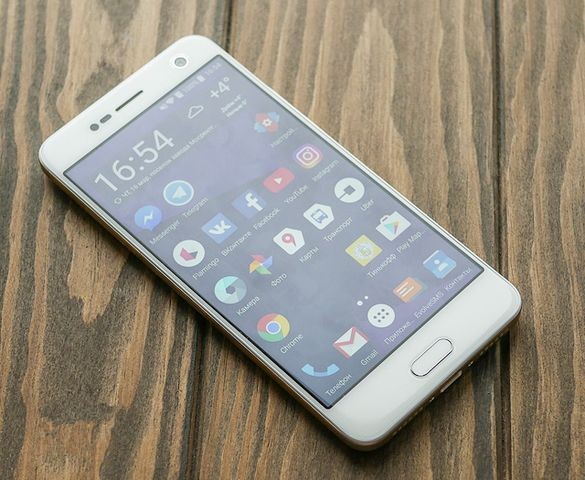
2017 can be safely called the year of dual cameras. Such modules began to put almost all companies, from Apple and Huawei to UMi and Ulefone. And ZTE is no exception, however, it decided to try out a new feature for a start in an inexpensive smartphone ZTE Blade V8.
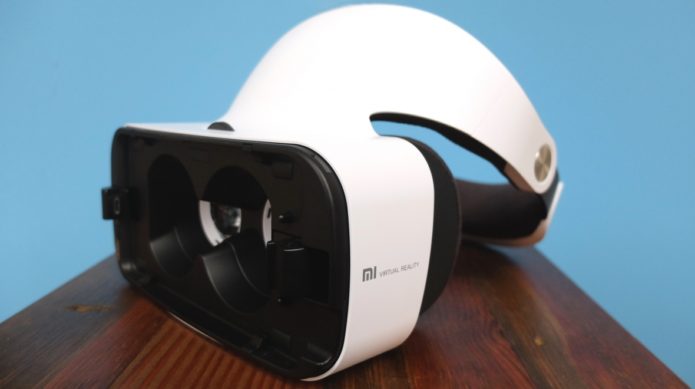
Surprisingly, the most interesting thing in the package is the box itself. The fact is that in a few simple movements it turns into a full-fledged VR helmet a la Google Cardboard. The instructions for collecting the helmet are on the back of the box.
I tried to watch it with some VR-video on YouTube, it did not happen right away. As it turned out, it was necessary to adjust the lens so that the picture did not double. To do this, part of the box with the lenses had to move closer, further away from the display.
…
Read full post here:
https://www.wovow.org/zte-blade-v8-review-smartphone-takes-3d-photos/







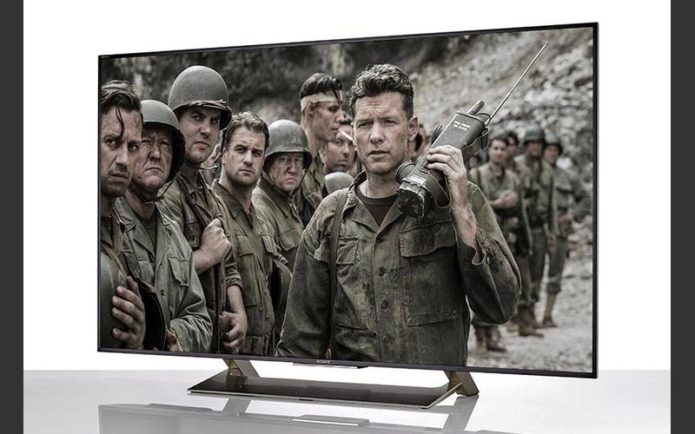
 We set the black levels and contrast for our testing rooms using a THX disc, turn local dimming and dynamic contrast to ‘low’ so that we get a little more detail in darker scenes without the flickering that’s apparent with the ‘medium’ or ‘high’ options, and disable many of the processing modes, such as ‘Reality Creation’ (a joint upscaling and noise-reduction mode for standard-definition sources), ‘Motionflow’ (motion smoothing), and ‘X-tended Dynamic Range’.