
Samsung has announced the successor to the excellent Galaxy S8+ in the Galaxy S9+ at Mobile World Congress 2018.
The South Korean company hasn’t changed the design too much compared to last year’s device but there are a couple of differences, including a new camera and a more ergonomically positioned fingerprint sensor.
Here is how the Samsung Galaxy S9+ compares to the Samsung GalaxyS8+.
Samsung Galaxy S9+ vs Galaxy S8+: Design
- Both IP68 water and dust resistant
- Dual camera on the S9+
- S9+ heavier but slightly narrower and shorter
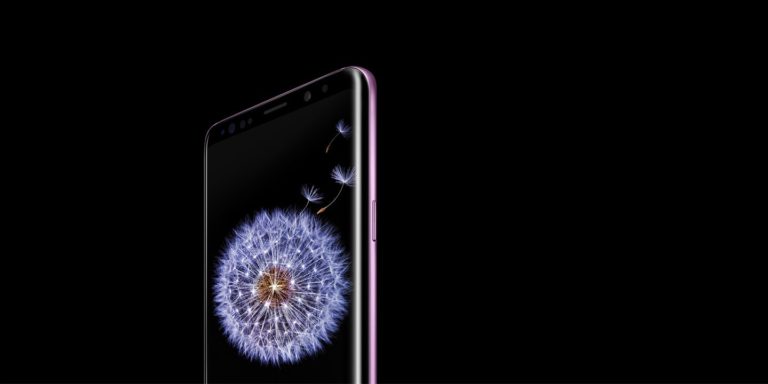
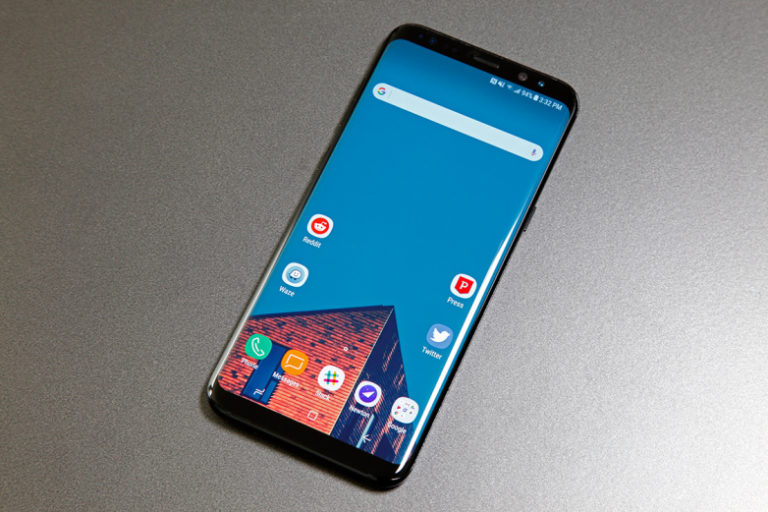
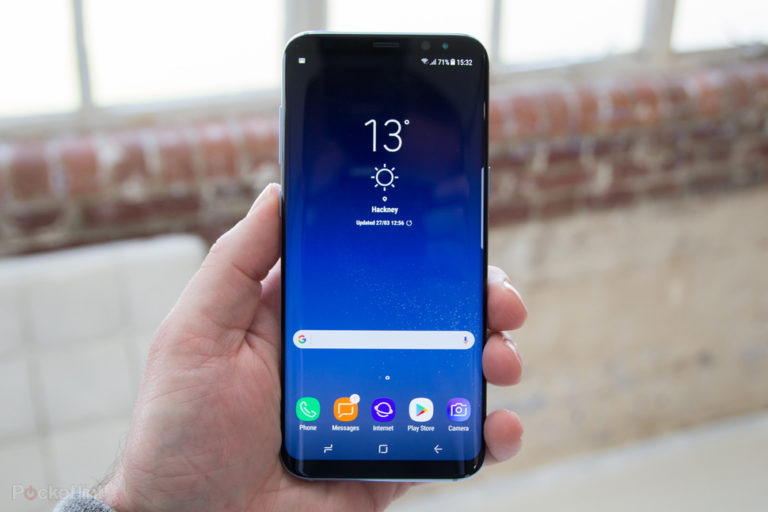
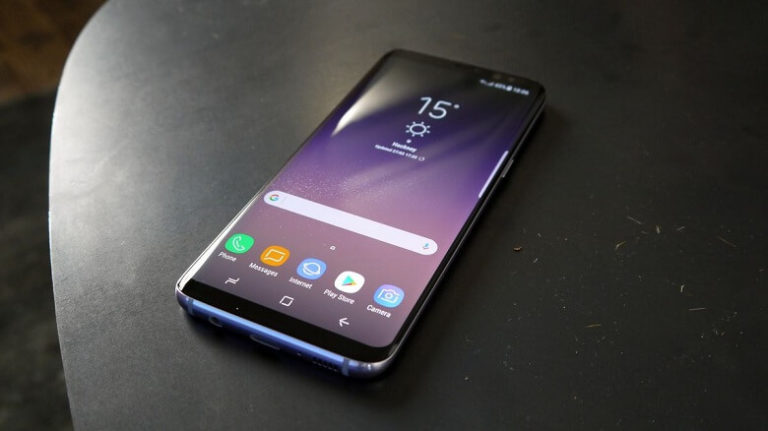
The Samsung Galaxy S9+ and Galaxy S8+ both feature a glass front and rear with a metal core and they are both IP68 water and dust resistant.
From the front, nothing has changed, with the curved Infinity display being the highlight on both devices, but there is a difference in their rear design.
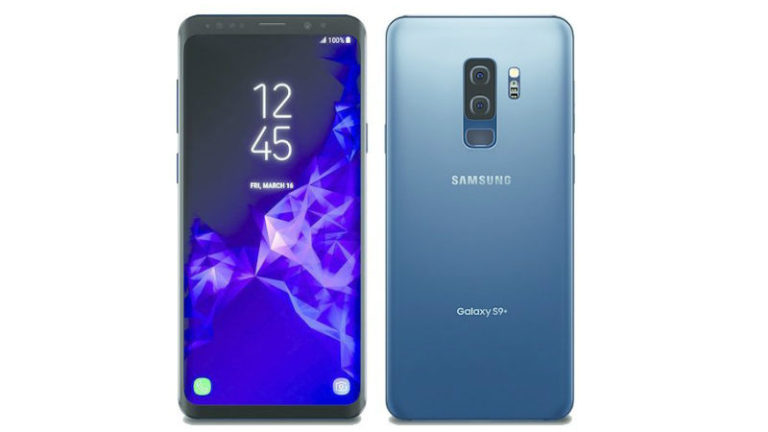
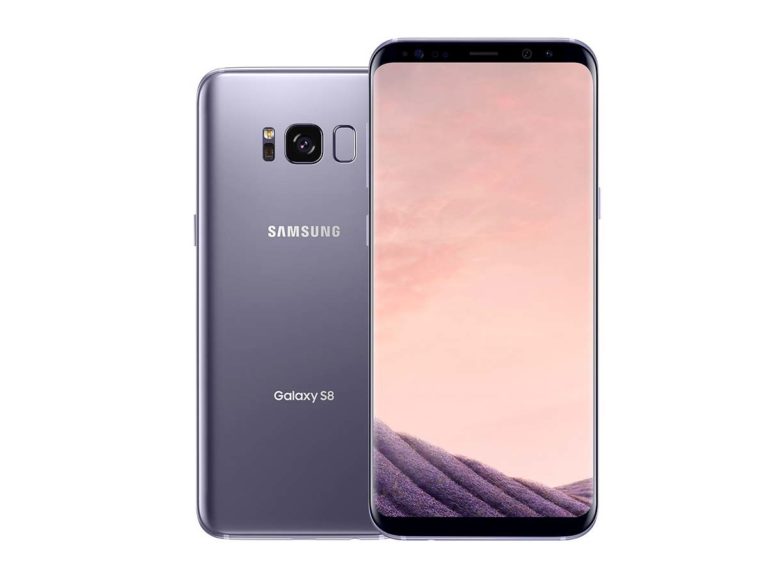
The Galaxy S9+ has a vertically-aligned dual-rear camera situated in the centre at the top with the fingerprint sensor situated below it. The GalaxyS8+ meanwhile, has a single-lens camera with a fingerprint sensor positioned awkwardly to the right.
There isn’t much difference in terms of physical size, though the S9+ is a little heavier. The newer device measures 158.1 x 73.8 x 8.5mm and weighs 189g, while the S8+ measures 159.5 x 73.4 x 8.1mm and weighs 173g.
Samsung Galaxy S9+ vs Galaxy S8+: Display
- Both 6.2-inches, Quad HD+, 529ppi
- Both curved Super AMOLED
- Both 18.5:9 aspect ratio
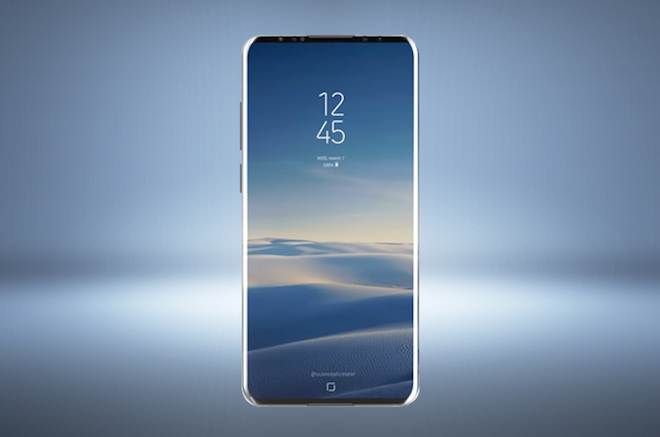
The Samsung Galaxy S9+ and the Galaxy S8+ both feature a 6.2-inch curved Super AMOLED display so the colours will be bright and punchy on both devices.
They also both offer a Quad HD+ resolution, which puts both their pixeldensities at 529ppi, meaning they should also offer the same result in terms of image sharpness.
Additionally, both the S9+ and S8+ offer aspect ratios of 18.5:9 and they both support HDR content.
Samsung Galaxy S9+ vs Galaxy S8+: Hardware
- S9+ has 6GB RAM, 128GB storage, microSD
- S8+ has 4GB RAM, 64GB storage, microSD
- Both have 3500mAh battery
- Both have 3.5mm headphone jack
Samsung has yet to announce the specific chipset that will be under the hood of the Samsung Galaxy S9+, though it is assumed it will be either the latest Exynos platform or the latest Qualcomm Snapdragon platform, depending on the region.
The Galaxy S9+ is supported by 6GB of RAM and 128GB of storage, and it offers microSD support for storage expansion up to 400GB.
The Galaxy S8+ features last year’s Exynos or Qualcomm Snapdragon chip, depending on the region, coupled with 4GB of RAM and 64GB of storage so the new device does offer an upgrade in hardware, as you would expect. The S8+ has microSD support too though.
Both the S9+ and the S8+ have a 3500mAh battery, compatible with fast charging and fast wireless charging and they both have a 3.5mm headphone jack. They also both have iris scanning.
Samsung Galaxy S9+ vs Galaxy S8+: Camera
The Samsung Galaxy S9+ features a dual camera, as we mentioned previously. The camera is made up of a wide-angle Super Speed Dual Pixel 12-megapixel autofocus sensor with dual aperture between f/1.5 and f/2.4, adjusting automatically, and a 12-megapixel telephoto lenswith an aperture of f/2.4.
The dual camera offers dual optical image stabilisation and it allows for 2x optical zoom, as found on the Galaxy Note 8, but the S9+ also offers super slow motion video at 960fps and automatic motion detection, like the standard S9.
The Galaxy S8+ meanwhile has a single-lens 12-megapixel Dual Pixelrear camera with autofocus, optical image stabilisation and an aperture of f/1.7. It offers slow motion video but not super slow motion and it has 8x digital zoom but no optical zoom.
Both the Galaxy S9+ and the Galaxy S8+ have an 8-megapixel front-facing camera with an aperture of f/1.7 and autofocus.
Samsung Galaxy S9+ vs Galaxy S8+: Software
- Both Android Oreo
Both the Samsung Galaxy S9+ and the Galaxy S8+ run on Android Oreowith Samsung’s TouchWiz software over the top, or they will eventually. The Oreo update is currently being pushed out to S8 and S8+ devices.
There will be a couple of differences between these two devices in some areas, such as the camera, but the main user experience will be identical.
Samsung Galaxy S9+ vs Galaxy S8+: Price
The Samsung Galaxy S9+ will cost £869 and it will go on pre-order on 25 February. General sale will start on 16 March.
The Galaxy S8+ cost £779/$1059 when it first launched, but it is now available for around £680/$925, making it significantly cheaper than the S9+.
Samsung Galaxy S9+ vs Galaxy S8+: Conclusion
The Samsung Galaxy S9+ makes several improvements on the GalaxyS8+, as many will have expected. It offers more RAM, more storage, a faster chipset and improvements to the camera, as well as the fingerprint sensor position.
The new device is heavier though, whilst also being around £200 more expensive and it comes with a very similar design, the same display and the same battery capacity.
If you’re looking to upgrade from the S8+, the S9+ will no doubt be faster and you’ll get the camera advantages, but we wouldn’t be surprised to see bigger changes next year so it might be worth waiting and saving the cash this time round.
(pocket-lint.com, https://goo.gl/247UyA)