Although “environmentally friendly” may not be what comes to mind when you think about junkyards, it is a fact that junkyards for cars are extremely beneficial for the environment. Salvage yards live by the motto “Reduce, reuse and recycle.”
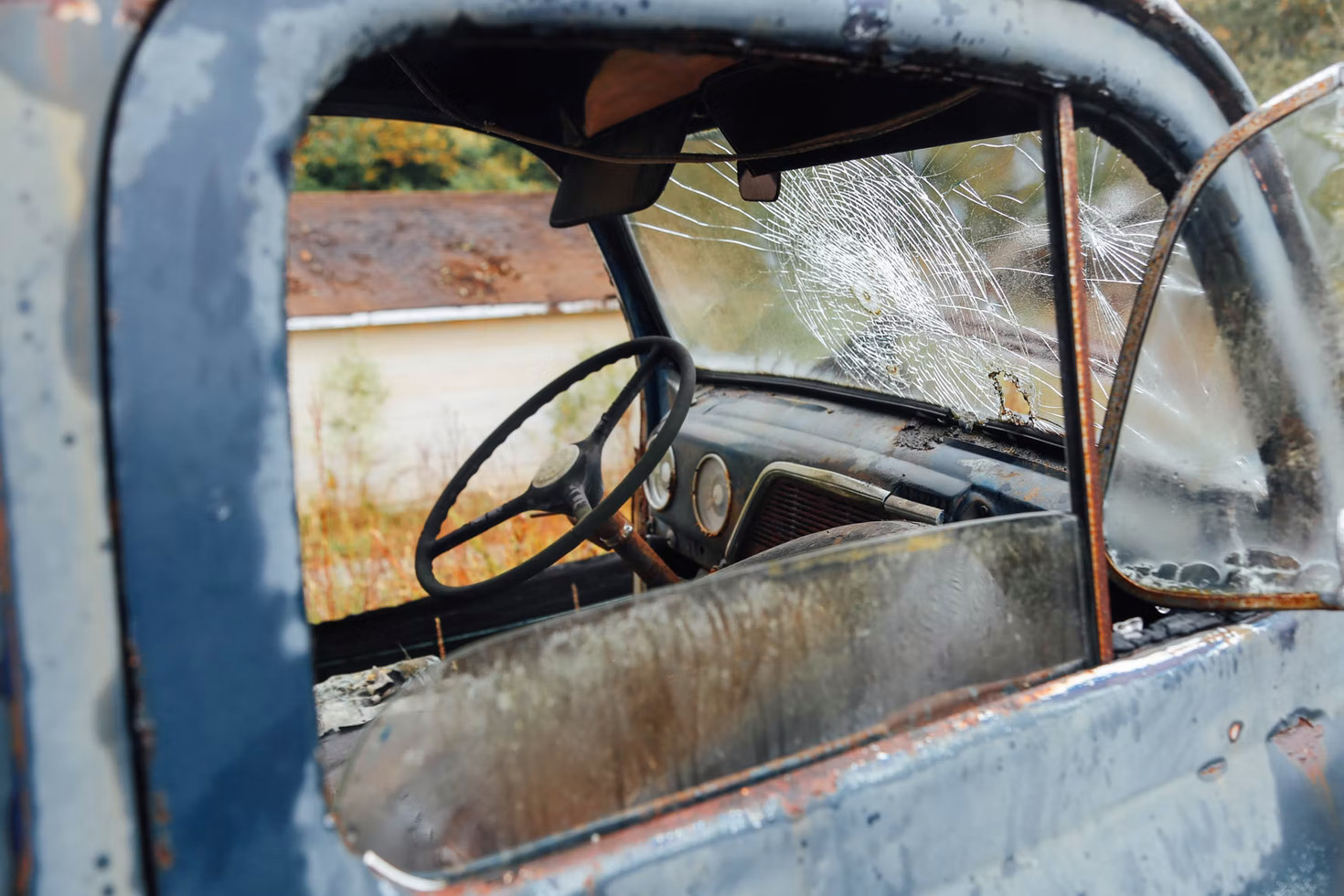
There is an inexplicable number of cars that sit in driveways and empty lots all over the country, undetected and deteriorating. These cars can pollute our environment and are a valuable resource of metal and parts that could be recycled.
A salvage yard is the only way to transform a junk car into something useful. Junkyards can fix cars past their expiration date or strip them down for scrap metal. Find out more here about junkyard waste and how it can be useful.
How Junkyards Reduce Waste and Saves The Environment
A junk vehicle would be a waste. Although these vehicles may no longer be useful to drivers, they could be very useful for a wrecker. These materials should not be thrown away. Instead, they are given a second chance.
There are many parts in junk cars that can still be used to make other vehicles. These parts can be recycled or thrown away. This would be wasteful and harmful to the environment. Auto junkyards are experts in getting the best out of junk cars so that there is nothing left that can harm nature.
Junkyards Prevent Pollution
There are many chemicals in cars that can be harmful to the environment. These include antifreeze, power steering fluid, and battery acid. These chemicals can be found in junk cars ranging from 5 to 10 gallons. These chemicals can cause damage to the soil, water, wildlife, and the environment in general. They can also cause discomfort to the human body or health problems.
Car Batteries
Car batteries shouldn’t be just thrown out. They can emit lead into the environment and be used to great effect even when they are dead. This is something that salvage yards are trained to do.
The process of scrapping a junk car
Step 1: Take the car to the junkyard
Before the salvage process can start, car wreckers in Sydney remove the junk car from your home and transport it to a salvage yard. A flatbed truck is usually required to move a car sitting on your property for an extended period or is immobilized.
Step 2- draining fluids
Next, the wrecker needs to remove any fluids remaining in the vehicle. Even if the junk vehicle has been parked, it will still have oil, transmission fluid, or brake fluid. This must be removed before any further steps can be taken. These fluids are not only a concern for the environment but can also cause explosions, which could pose a danger to scrappers.
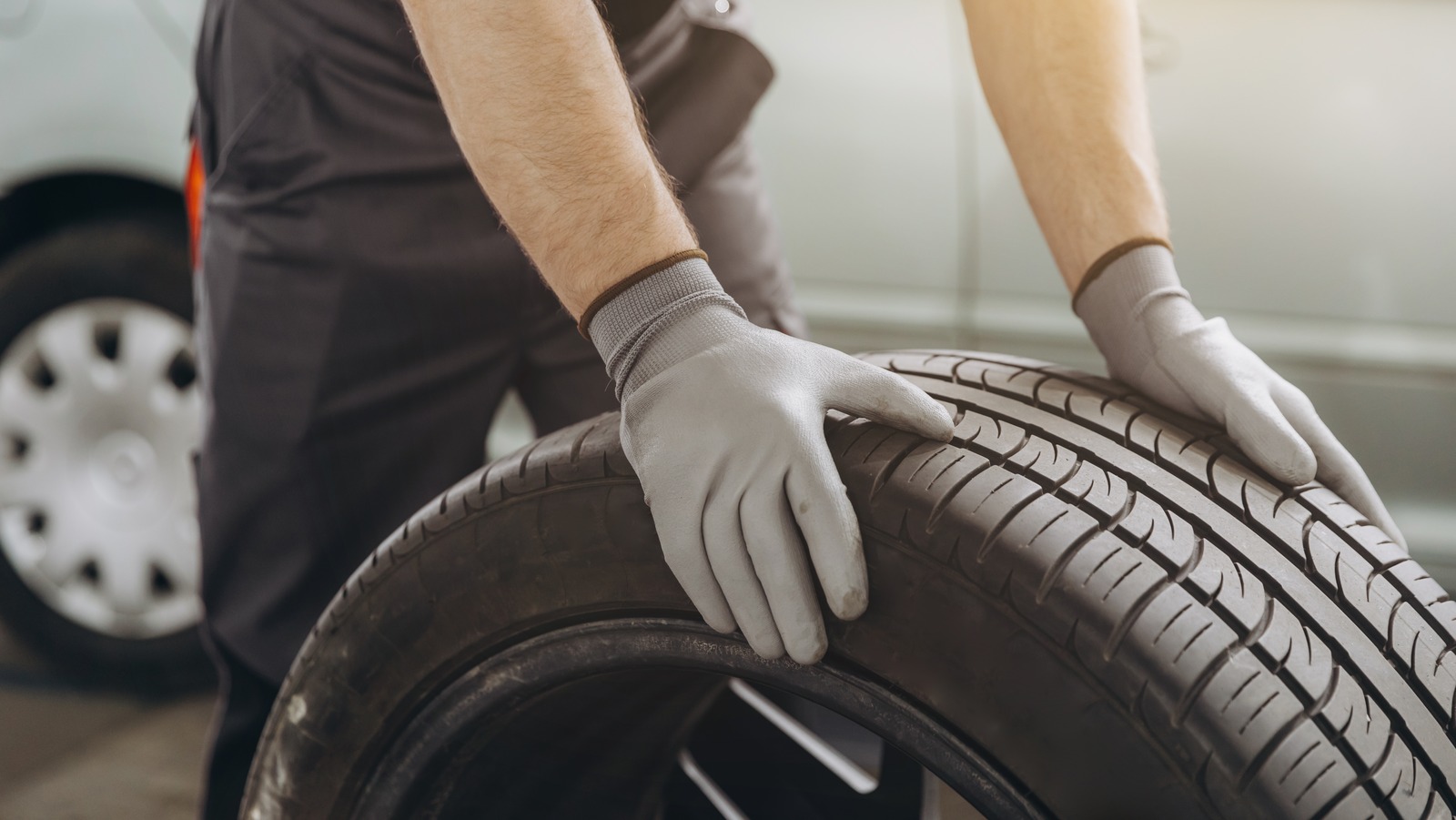
Step 4: Rubber and plastic recycling
Some salvage yards will remove all rubber and plastic parts from the scrap vehicle and then recycle them separately. Metal parts are the most valuable, but many other applications are for interior plastics, tires, and non-metallic components.
Step 5: Aluminum recycling
Materials lighter than the average vehicle are sought after by car manufacturers who strive to make cars that run more efficiently. There is a lot of lightweight aluminum in today’s cars. This aluminum can also be recycled infinitely. Scrap cars will have aluminum parts removed before steel can be processed in most cases.
Step 6: Steel recycling
Steel and iron are the most common scrap metals found within vehicles. These materials account for more than 60% of the total vehicle weight. The car’s steel parts are first flattened using a crusher and then broken down by a powerful shredder. Most metal and steel are used to make new parts for cars, but some can also be used for other purposes.